




Sustainable Energy and Climate Change

Industrial energy is essential to economic and social development and to improving the quality of life. Indeed, the availability of affordable and sustainable energy to all people is critical to the achievement of the MDGs, and its contributions can help to meet the targets in various ways. In particular, energy is a prerequisite for poverty alleviation, as targeted in MDG 1, since it enables income-generating activities and the establishment of micro-enterprises. Similarly, energy helps to alleviate hunger and meet most of the other social and welfare-related MDGs by providing the light and power that the achievement of these goals critically depends on.

Accessibility to reliable and affordable energy is very unevenly distributed, however, both between countries and within countries. Many developing countries - in particular LDCs - and countries with economies in transition face the urgent need to provide adequate, reliable and affordable energy services, especially electricity, to a total of some two billion people mainly in rural areas. The issue of "energy for the poor" is consequently becoming one of the principal issues in the global debate on energy.

On the other hand, the production, generation, distribution and use of energy are sources of global pollution and waste, not least because they release substantial amounts of greenhouse gas (GHG) pollutants. In this sense also, energy impinges on the MDGs, which call for environmental sustainability. As the predicted population growth in the developing world materializes, the pressure on local environments to supply the required energy sources will increase considerably, as will the amount of GHGs released. How the international community and governments respond to these issues will be of vital importance if society is to have a sustainable future.

The importance of carbon dioxide emissions as an environmental issue of international concern has grown substantially since 1992, when the United Nations Framework Convention on Climate Change (UNFCCC) was adopted because of increasing concern over rising atmospheric concentrations of GHGs and their possible adverse effects on the global climate system. The UNFCCC and Kyoto Protocol call for an enhancement of energy efficiency and an increase in the production and use of new and renewable energy, as well as measures to limit or reduce emissions of GHGs.

Global climate change mitigation depends greatly on the increased use of energy efficiency and renewable energy technologies in all countries. Improvements in industrial energy efficiency contribute to enhanced productivity and reliability. Training programmes in energy efficiency contribute to skills and technology diffusion. The multilateral funding mechanism of the Global Environment Facility (GEF) and its partner agencies and regional development banks formulate, finance and implement projects that reflect the GEF's climate change mitigation strategies aimed at enabling developing countries and economies in transition to meet both national development and global climate change goals. Following the adoption of Resolution GC.8/Res.2 by the Eighth General Conference of UNIDO - which was reaffirmed by the twenty-third session of the Industrial Development Board - UNIDO was accorded the status of executing agency with expanded opportunities with the GEF in November 2000.

The international efforts and measures required to address successfully such energy-related issues as climate change and the provision of affordable modern energy services in developing countries, particularly in rural areas, are extremely challenging in a number of ways. However, a large number of international bodies, United Nations agencies, governments, private companies, and non-governmental organizations (NGOs) are focusing their attention on energy issues. UNIDO is one of the lead agencies taking up the energy challenge, and its energy-related services include:

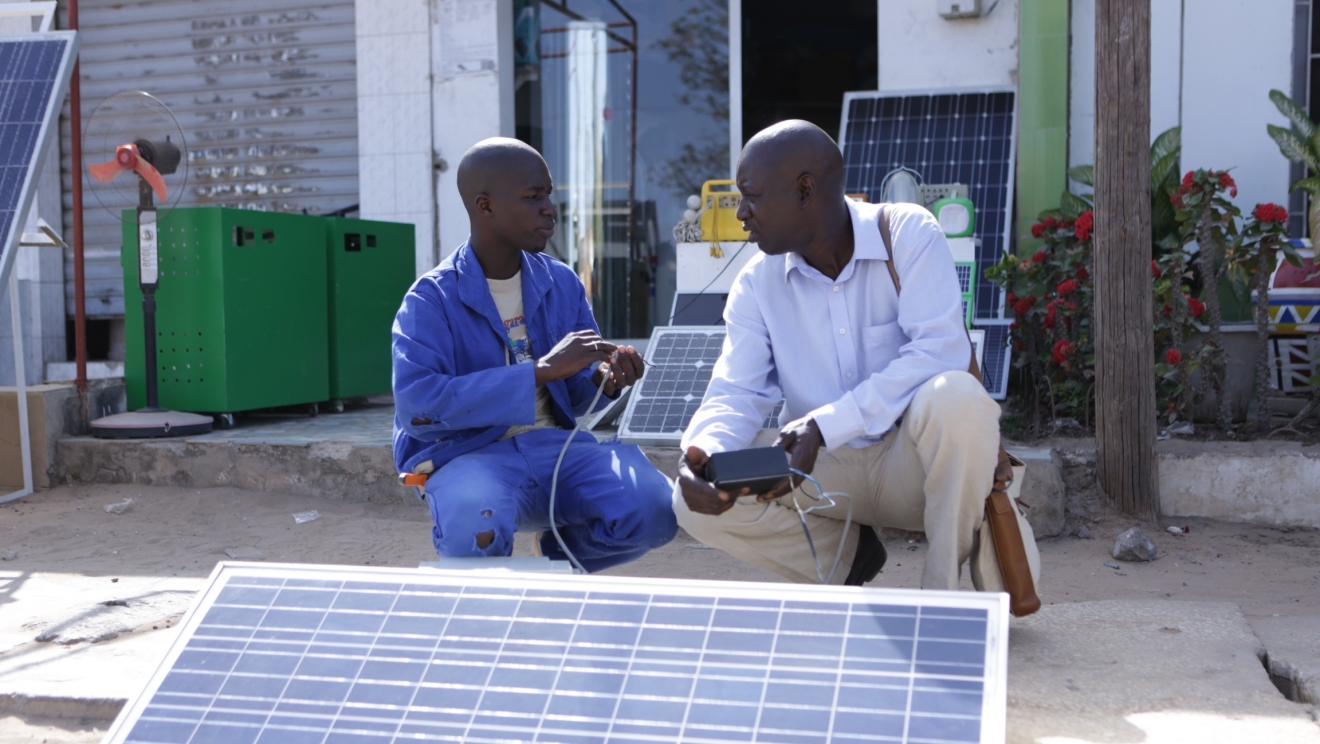
  • Providing access to modern energy services for the poor through rural energy for productive use with emphasis on renewable energy projects.
  • Increasing productivity and competitiveness through improving industrial energy efficiency projects.
  • Reducing GHG emissions through capacity building projects for climate change in general and Kyoto Protocol mechanisms in particular.


Document No. 208, Responsible for this page:WEBMASTER

Navigation