


Skip to: content | navigation | search & sites services
| The Millennium Campaign website is at http://www.millenniumcampaign.org |
UNIDO cooperates with the United Nations Millennium Project to formulate and implement the best strategies for achieving the Millennium Development Goals (MDGs). Being an active member of the teams comprising: Task Force One on Poverty and Economic Development; Task Force Ten on Science, Technology and Innovation; and the UN Experts Group, UNIDO contributes directly to the Millennium Project by sharing its expertise on the subjects relating to the Task Forces mandate. In addition, UNIDO is sponsoring jointly with the Millennium Project inter-agency cooperation for MDG-related needs assessments through the MDG-dedicated technical center in Nairobi, where the UNDP, UNESCO and WHO also participate.
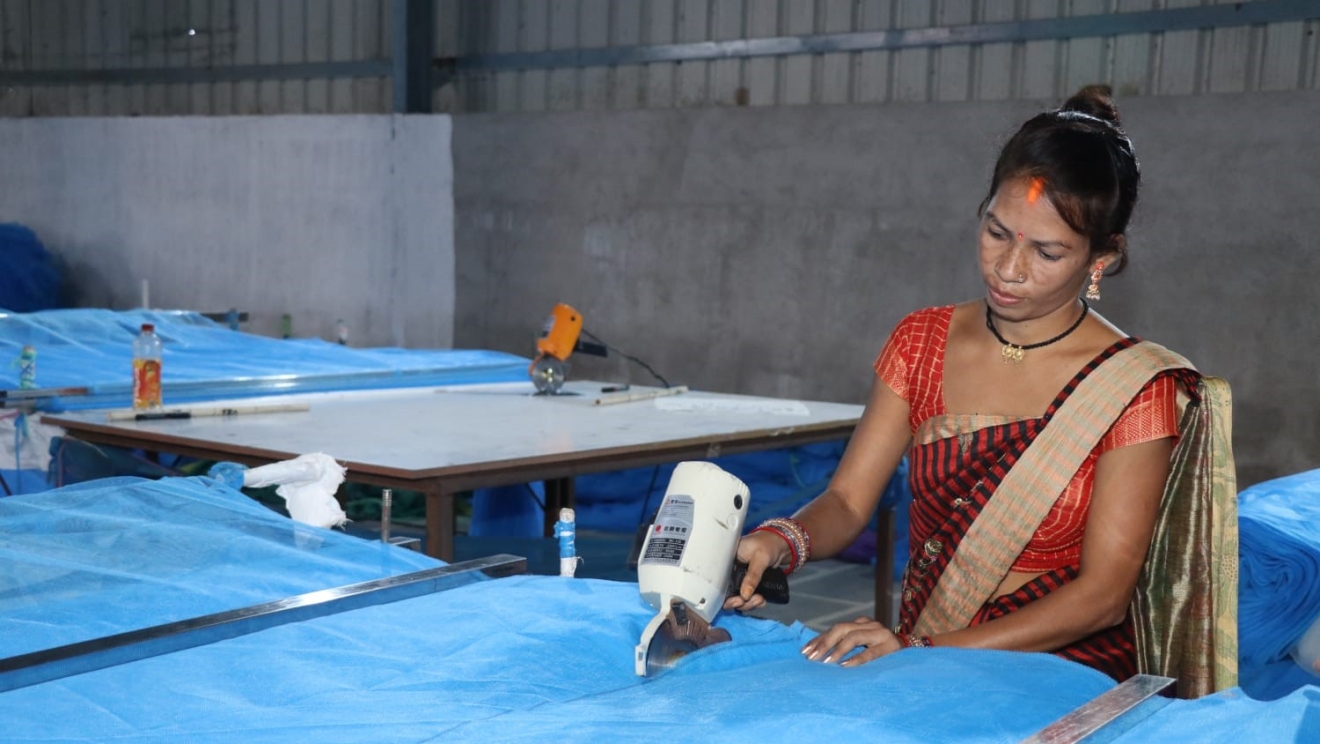
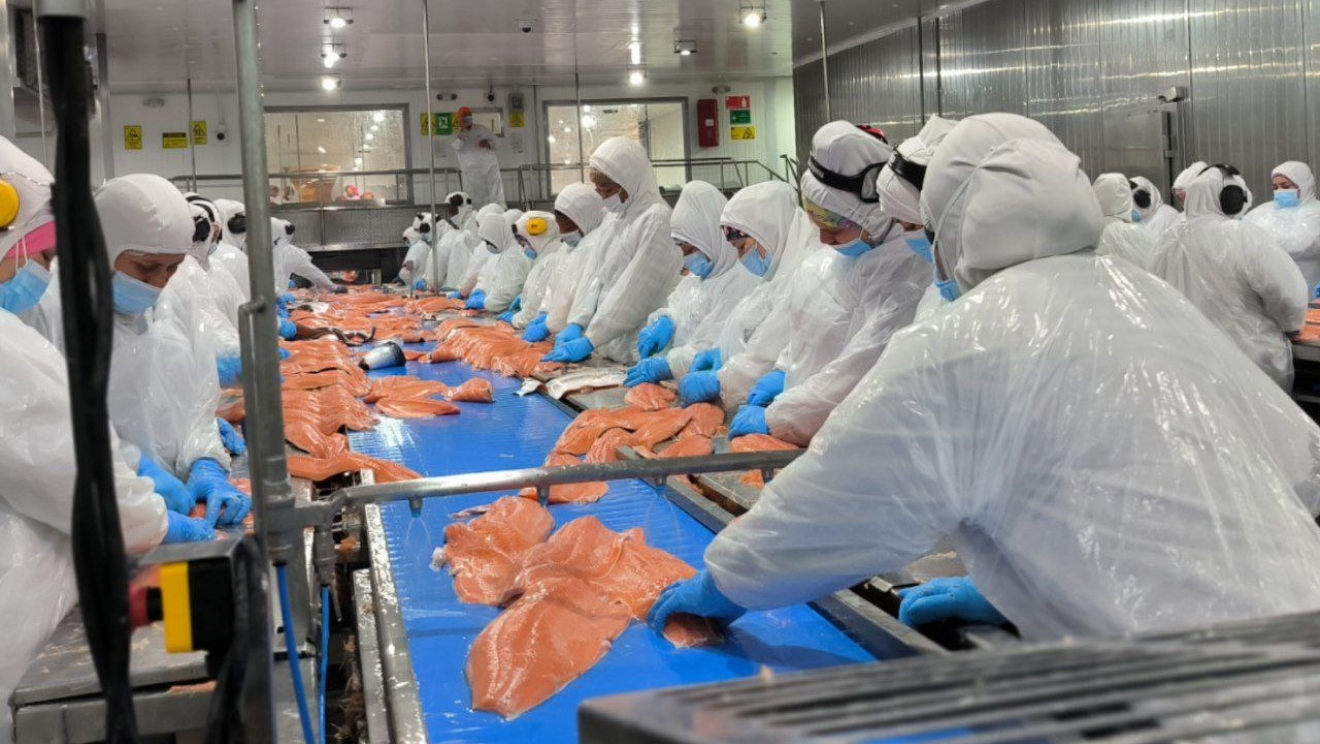
On the implementation side, UNIDOs work in the field largely contributes to the achievement of MDGs through reduction of income-poverty. Our projects help build capabilities on the ground relating to private sector development, trade capacity, industrial productivity and technological infrastructure sources - all contributing to higher growth potential and lower income-poverty.
In addition to these, UNIDO projects have direct impact on other non-income related aspects of poverty covered by the MDGs such as gender equality and environmental sustainability. UNIDO National Cleaner Production Center network now extends to over 30 countries and makes a direct contribution to tackling issues of environmental degradation and social development as developing countries undergo structural change. UNIDO is also engaging in cooperation with the Earth Institute to develop a series of pilot demonstration projects in alternative energy and rural development, which will become part of the implementation of the Millennium Project. Similarly, our projects in building capabilities among women entrepreneurs in countries such as Tanzania help to achieve international goals relating to poverty and gender equality.
The best sources of information on UNIDOs contribution to the Millennium Development Goals are:
The Industrial Development Forum held on 1-3 December 2003 in the context of the tenth session of the General Conference has been the most ambitious to date, reflecting the importance and complexity of its theme: The Role of Industrial Development in the Achievement of the Millennium Development Goals.
We regard this issue as critical to ensuring that UNIDOs contributions to international development is firmly embedded in the international development agenda, and that our Organization remains at the forefront of the development debate. For that reason, this theme will also be revisited in considerable detail in our Industrial Development Report 2004.
The Industrial Development Forum held in conjunction with the tenth session of the General Conference consisted of an initial meeting within the plenary session of the Conference to set the scene and highlight the principal issues involved, and seven subsequent Round Tables to discuss these issues in greater detail.
The topics covered in these Round Tables comprised:
Each of these discussions highlighted various aspects of how the industrial development that our Organization is mandated to promote has a significant role to play in the achievement of the Millennium Development Goals (MDGs), which have come to form the core of the international development agenda since they were first enunciated at the Millennium Summit of the United Nations General Assembly in September 2000.
Industrial Development Report 2004 (IDR 2004) Industrialization, Environment and the Millennium Development Goals in Sub-Saharan Africa, while continuing and updating industrial performance benchmarking, addresses the challenges faced by Sub-Saharan African countries, a mandated priority area for UNIDO, in furthering their efforts towards poverty reduction. Hence it features a special focus on the dynamic processes of productivity growth, wealth creation and social advance in Sub-Saharan Africa in the context of the internationally agreed development goals and targets of the Millennium Declaration and the national poverty reduction strategies.
The first part of the report pinpoints the opportunities and policy options available for the Sub-Saharan African countries to reduce poverty through structural change, productivity growth and diversification, and by building up the institutional and social capabilities essential to overcome adverse initial conditions. Examining the ways in which greater private sector participation, strengthened through the provision of public goods, can enhance poverty reduction efforts, the report also outlines forward-looking policy approaches to industrial development that take advantage of environmentally sound and advanced technologies. The report argues the improvements that MDGs envisage in health, education gender, environment and infrastructure are essential if productive sectors are to grow, create employment and result in sustained development. It also argues that complementary to the efforts to offset the adverse conditions via the MDGs, a number of external and domestic policy interventions need to complement and reinforce the relationship between MDGs, poverty reduction and sustained growth. Above all, this requires the build up of social and technological capabilities. The Report calls on the international community to help SSA countries meet their capability - building needs, including those relating to trade.
The second part of the report features the Industrial Development Scoreboard, which benchmarks a set of industrial performance and capability indicators, for both the core group of countries first studied in IDR 2002/2003 and an enlarged set of countries including additional transition and Sub-Saharan African countries between the years 1980 and 2000. The Scoreboard provides a global overview of industrial competitiveness in all its diversity, and assesses the main factors affecting it.
|
Francisco Sercovich, Tel: +431 26026 / 3079, E-mail: F.Sercovich@unido.org