

Skip to: content | navigation | search & sites services
Until about a decade ago, the lack of knowledge about atmospheric chemistry and processes led to a significant depletion of stratospheric ozone levels. Man-made chemicals, especially chlorine and bromine compounds, such as chlorofluorocarbons (CFCs), halons, and a broad range of industrial chemicals attack the ozone layer and are recognized as ozone depleting substances (ODS). Moreover, by enhancing the process of climate change they disturb food chains and so have an effect on agriculture, fisheries and biological diversity. Without the Montreal Protocol the levels of ozone-depleting substances would have been five times higher than they are today, and surface ultraviolet-B radiation levels would have doubled at mid-latitudes in the northern hemisphere. On current estimates the CFC concentration in the ozone layer isexpected to decline to pre-1980 levels by 2050.
While primarily concerned with the issue of eliminating ozone depleting substances (ODS), the activities carried out by UNIDO under this service module also enable the industries concerned to achieve increased productivity and an improved economic performance in terms of lower operating costs, less maintenance and higher product quality and reliability. These activities also make a major contribution to generating employment, both by sustaining existing jobs and creating new ones.
The Montreal Protocol-related activities are closely linked to activities carried out under other UNIDO service modules with the common aim of ensuring sustainability. These include:
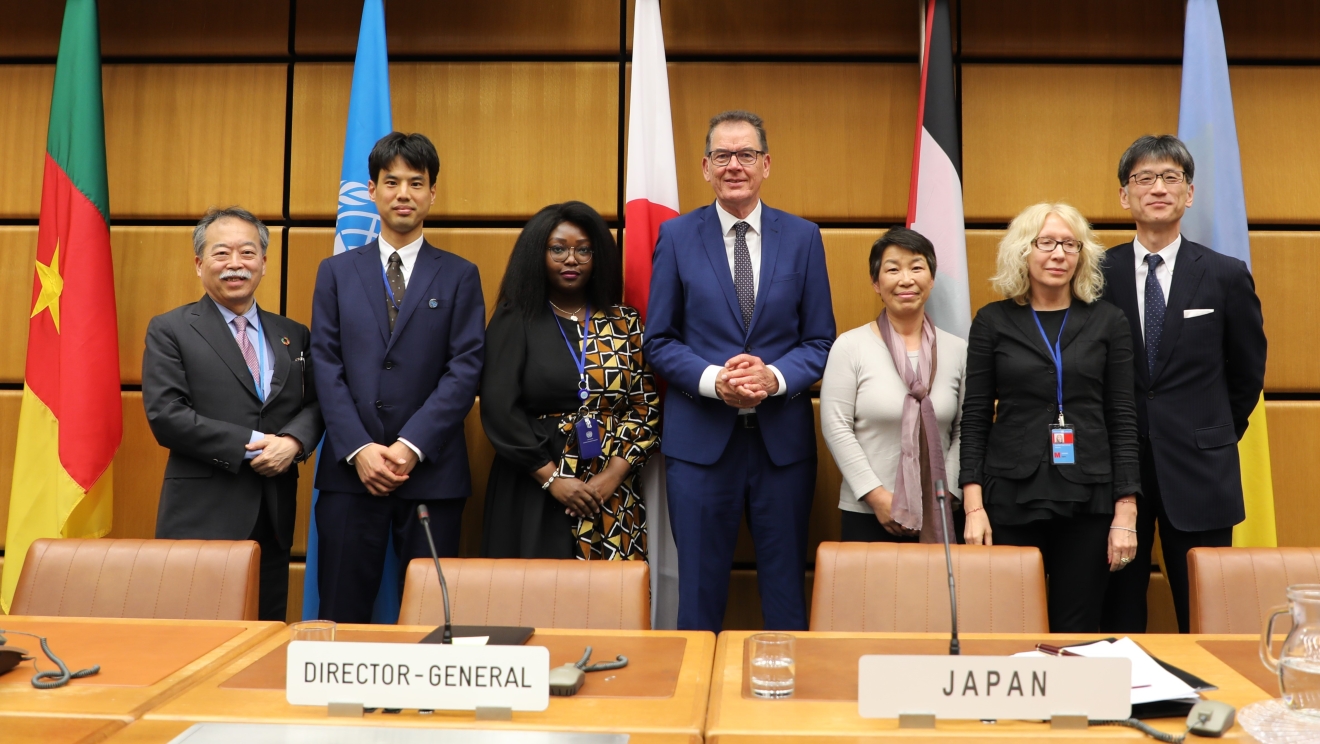
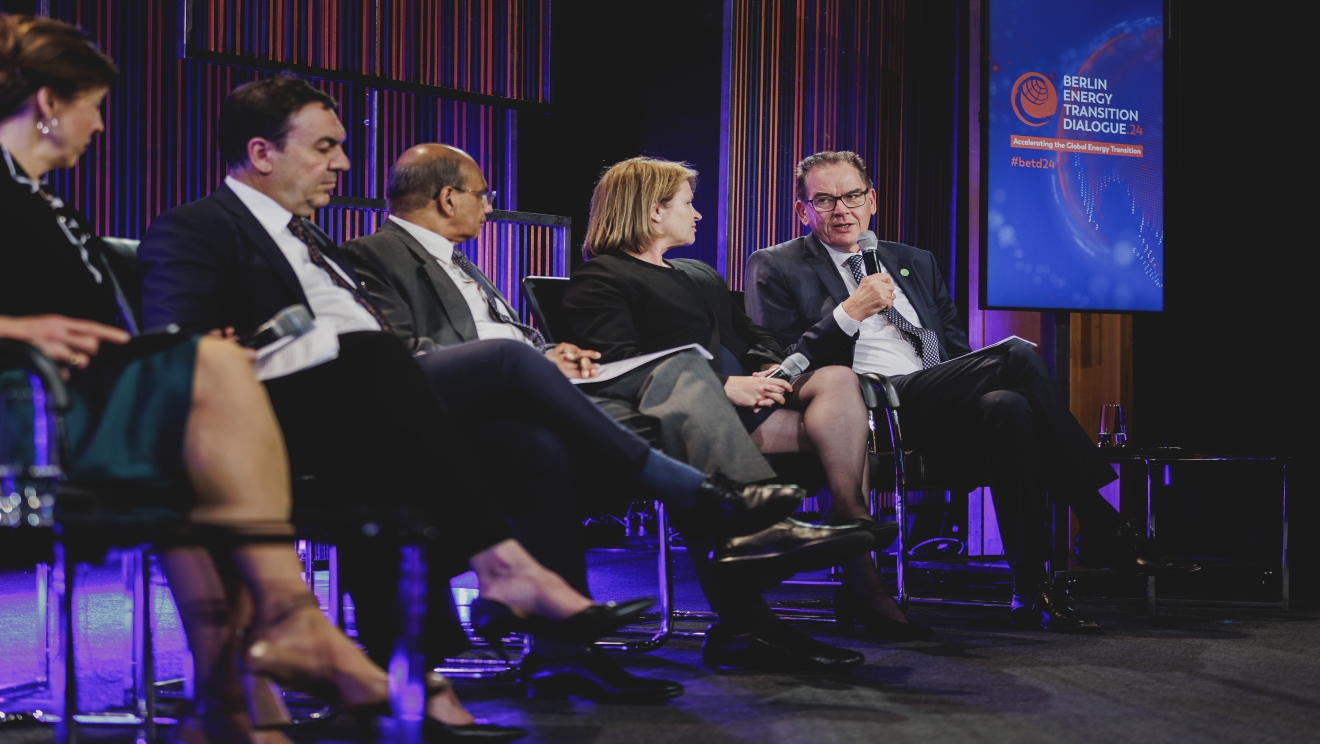
This service module has a significant global forum component, involving in particular the participation at various meetings to assess the progress of the Montreal Protocol activities. Most of the meetings in which UNIDO participates are gatherings of the policy-making bodies of the Protocol, and are the most important occasions for consultations with government officials, members of the Executive Committee (ExCom) and Secretariat of the Protocol, and the implementing agencies of the Multilateral Fund. These meetings comprise meetings of the Parties, meetings of the ExCom and its sub-committees on project review and on monitoring, evaluation & finance, and meetings of the Implementation Committee. At these meetings policy decisions are made on the current and future activities of the Fund. Furthermore, they give the Parties the possibility to make a comparative analysis among the implementing agencies based on their reported performance and provide the possibility for our Organization to be consulted on these and other substantive issues.
Document No. 209, Responsible for this page:WEBMASTER