
In focus
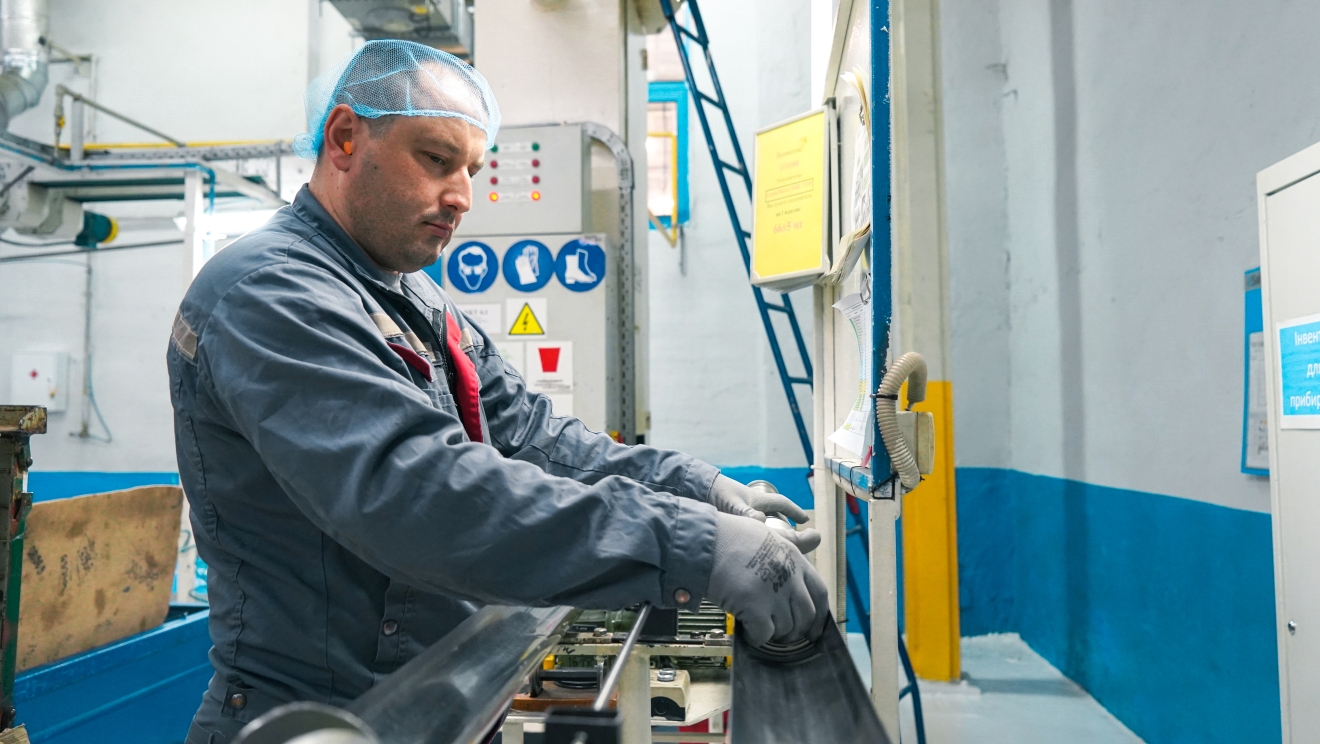
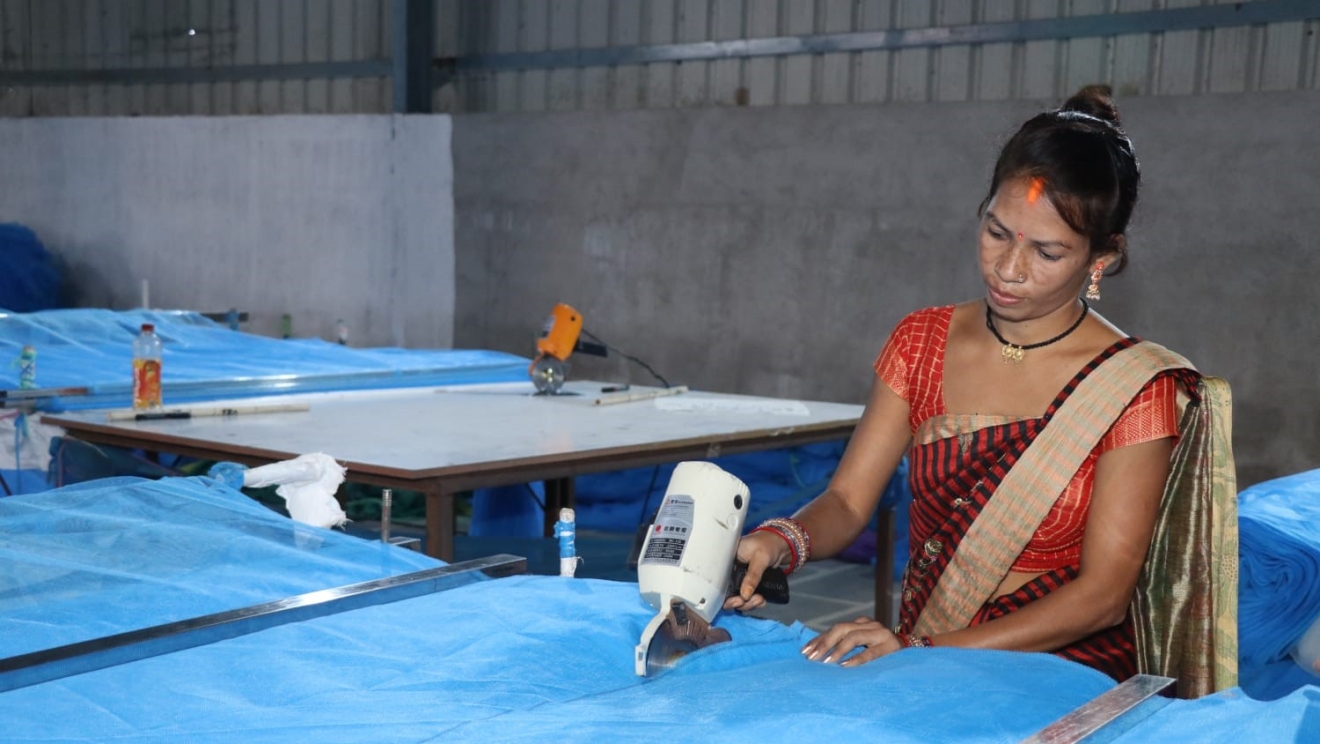

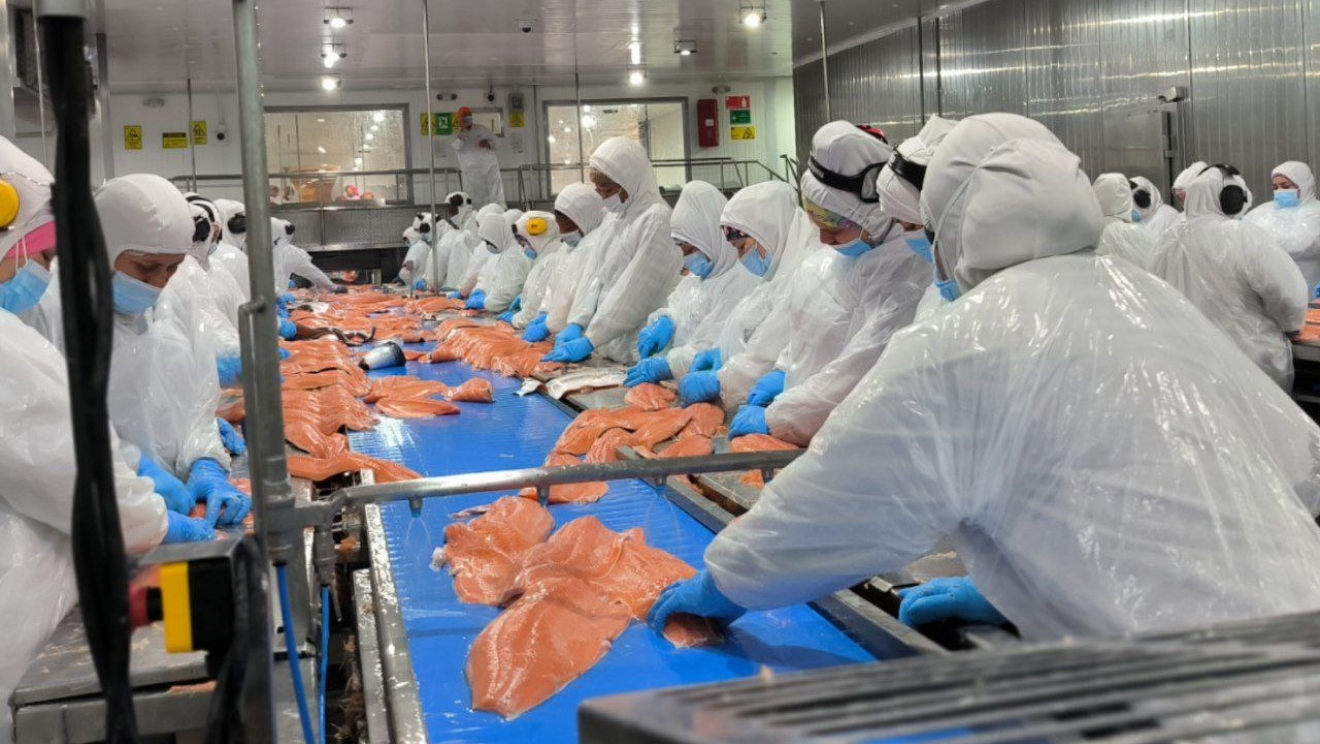
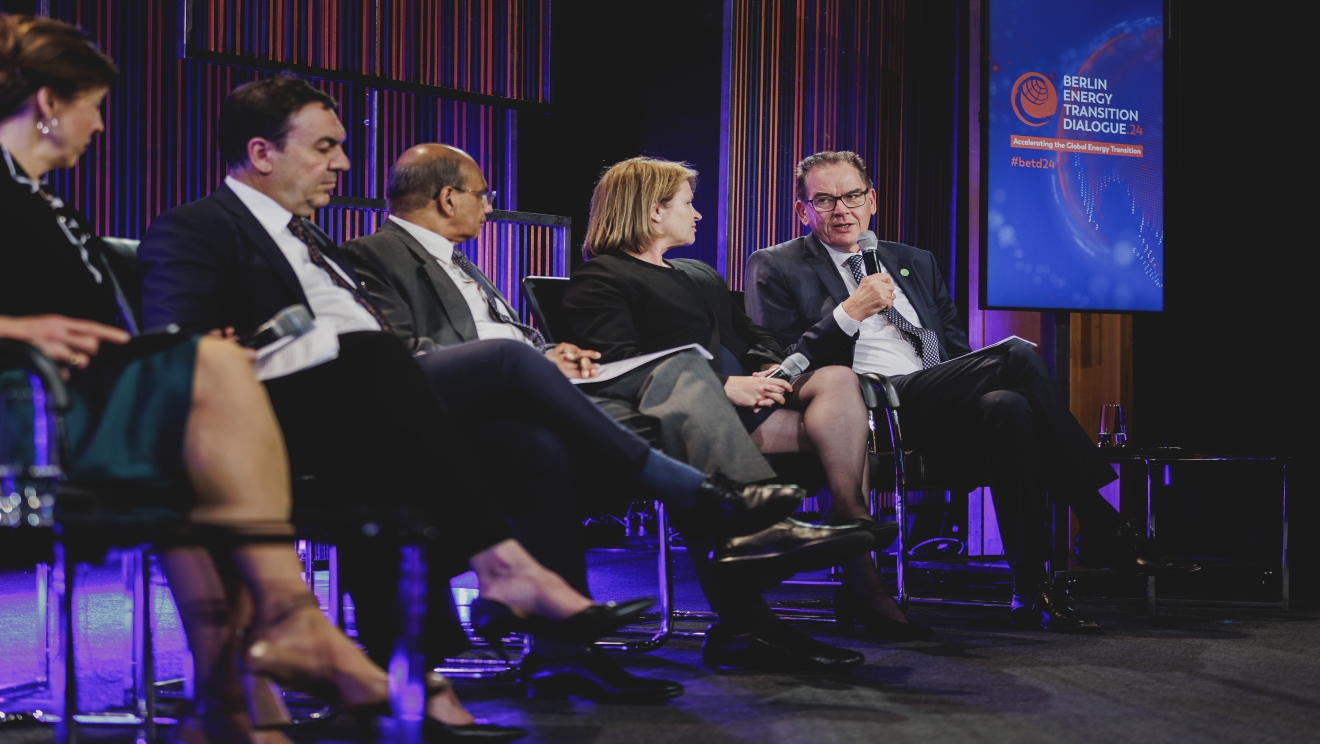
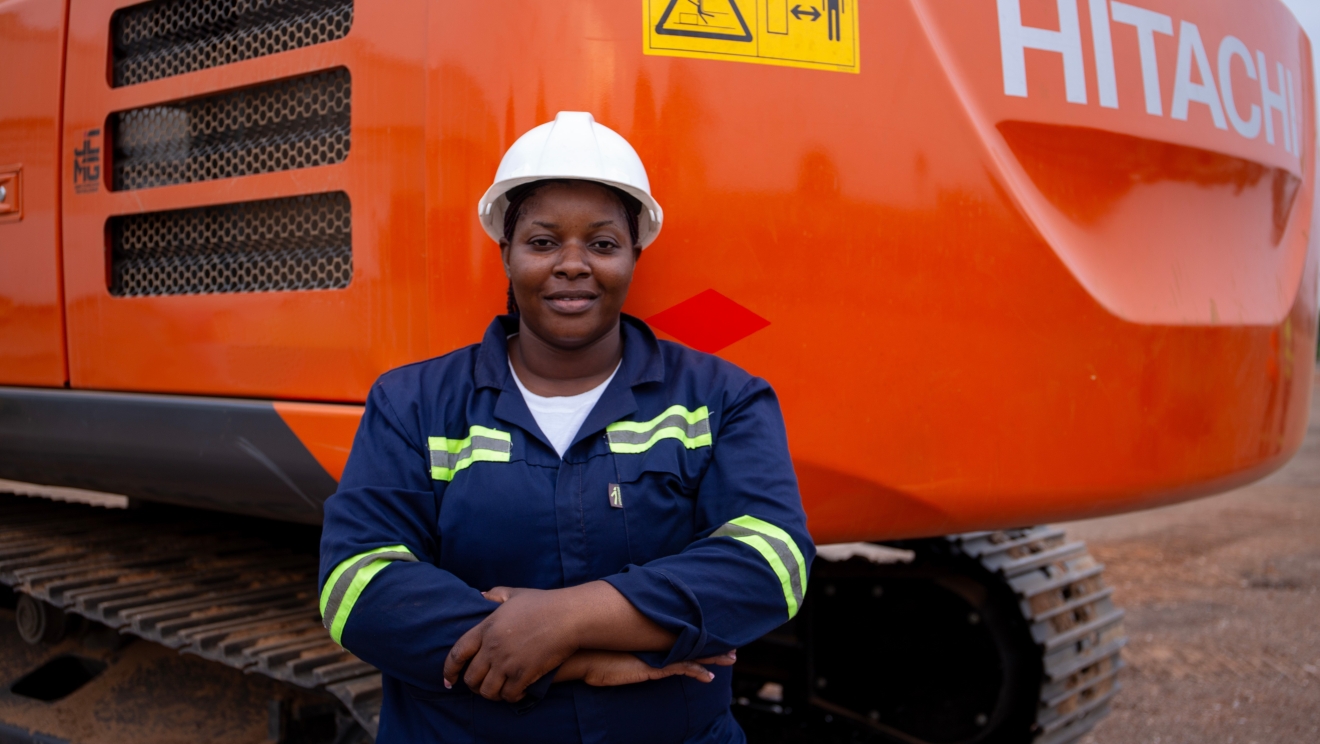
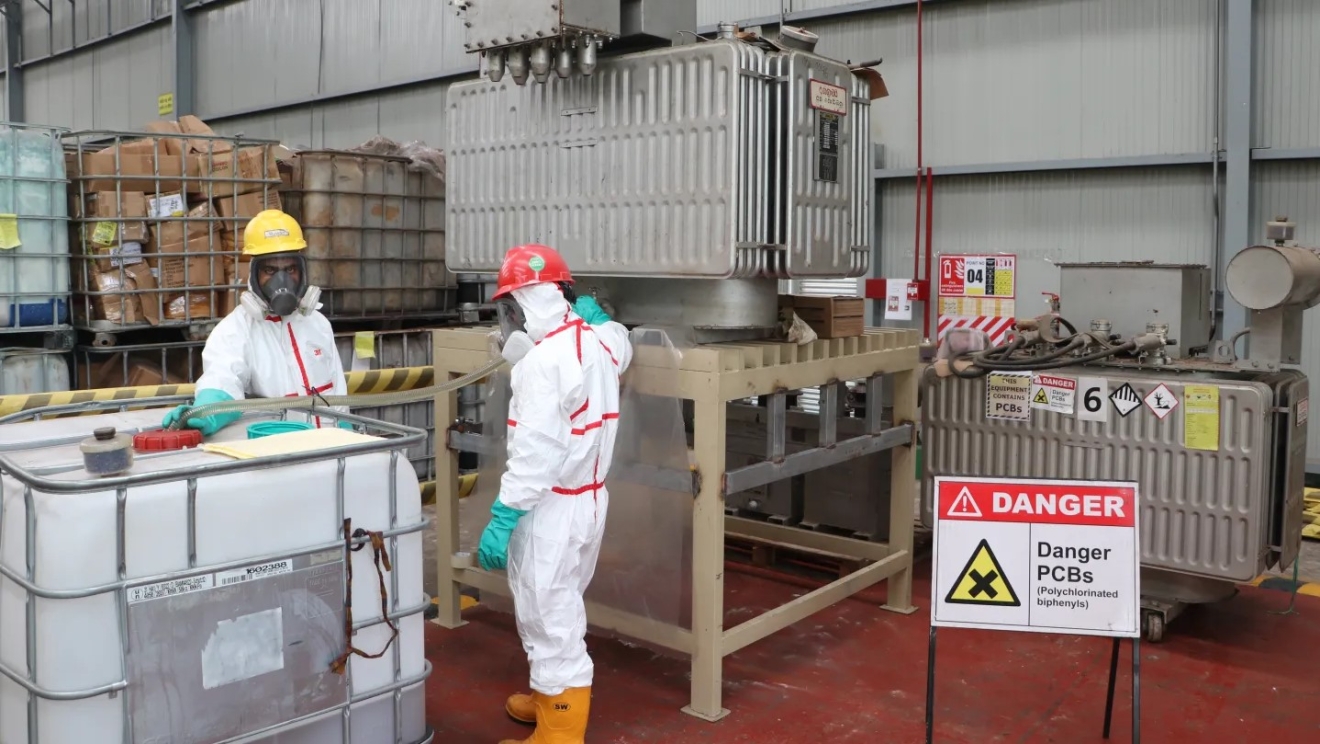
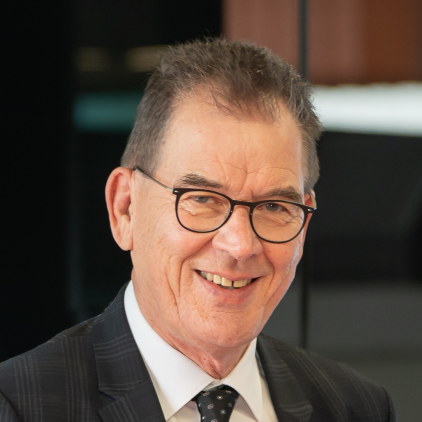
“My goal is that UNIDO provides concrete and practical solutions to pressing global challenges. Sustainable industrial development can deliver a world without hunger, using sustainable energy for productive activities, and creating jobs, particularly for young people.”
Gerd Müller
Director General of UNIDO
Our priorities
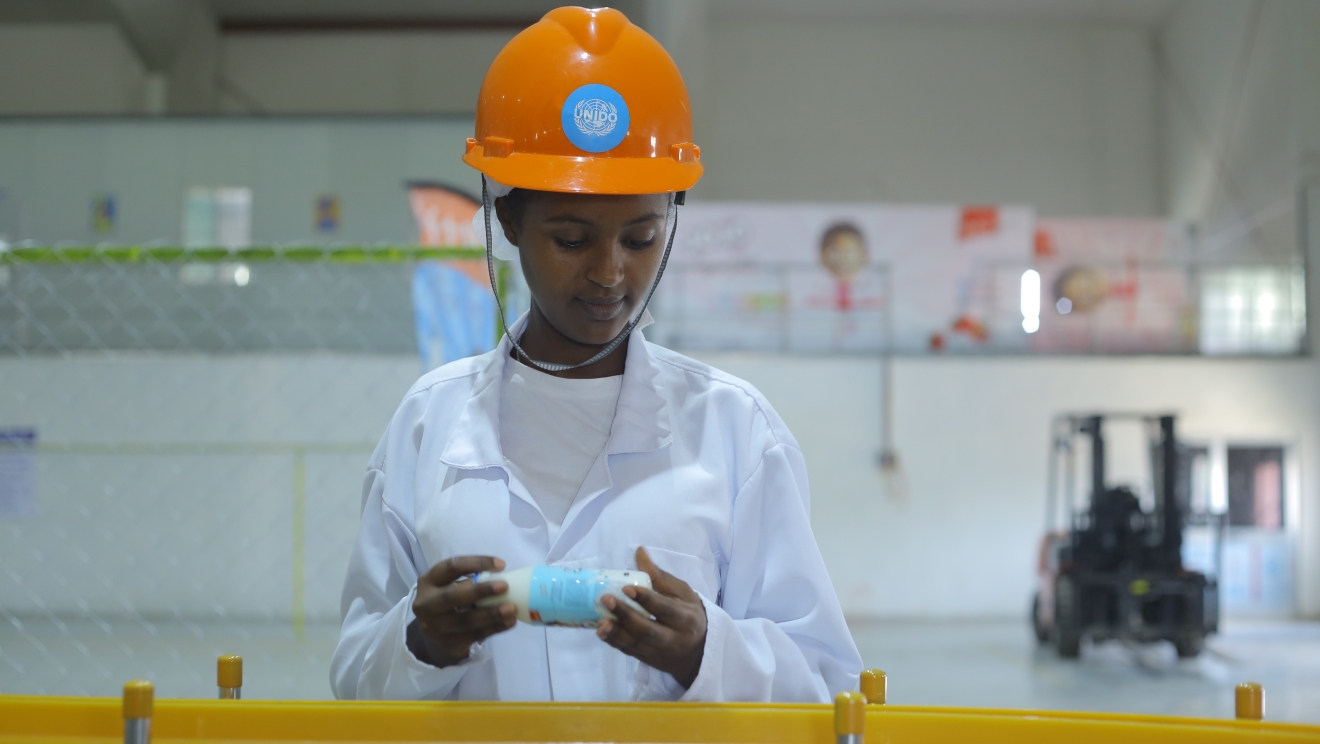
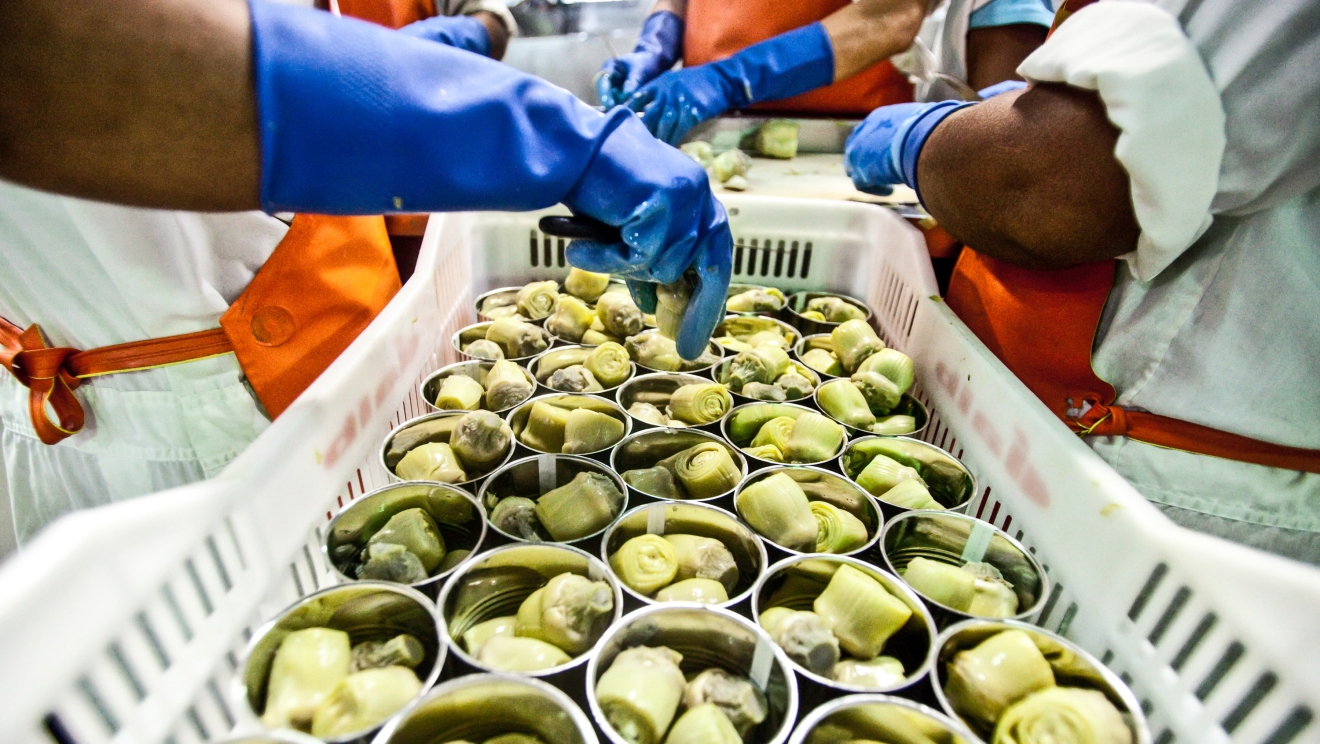
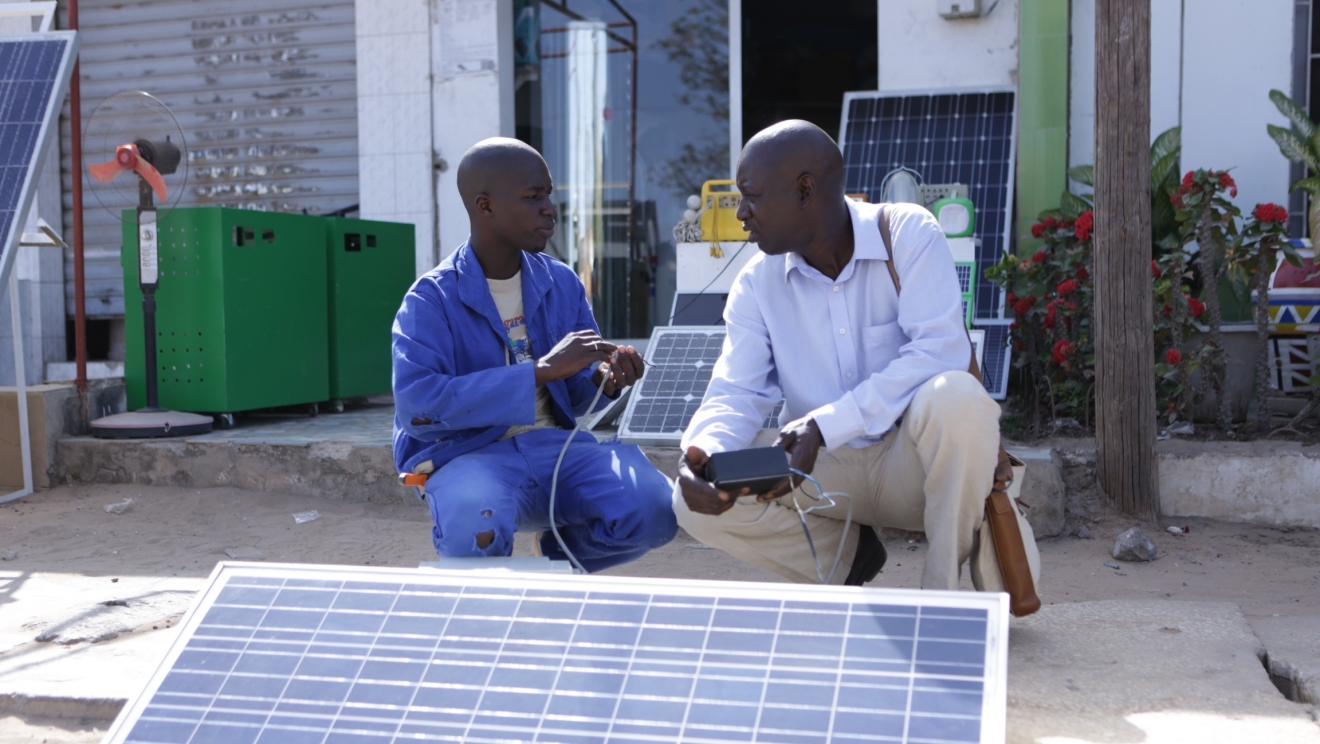
Partnerships
Translating ambition into action: UNIDO is your partner for technology and knowledge transfer, capacity building and investment.
Events
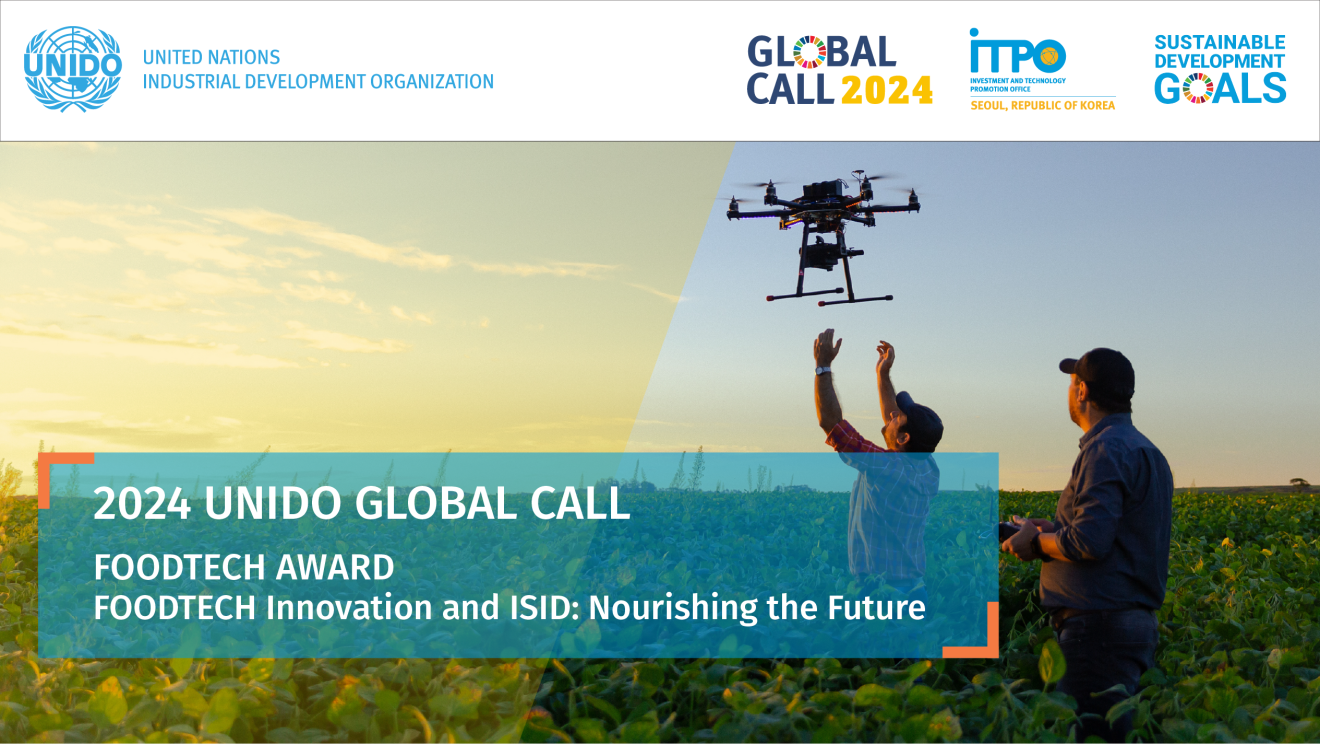
01 May 2024
Seoul, Korea
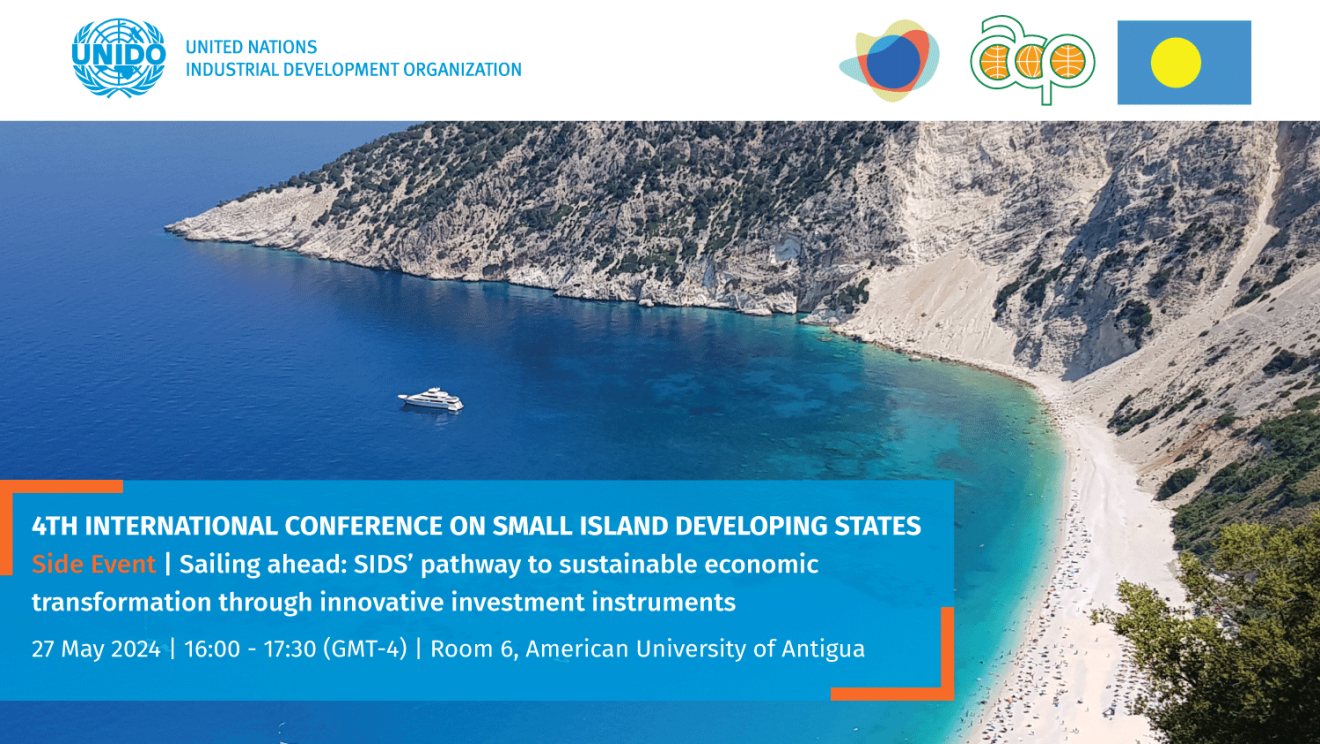
27 May 2024
Room 6, American University of Antigua — St. John’s, Antigua and Barbuda
Connecting for Development – Innovating for Impact
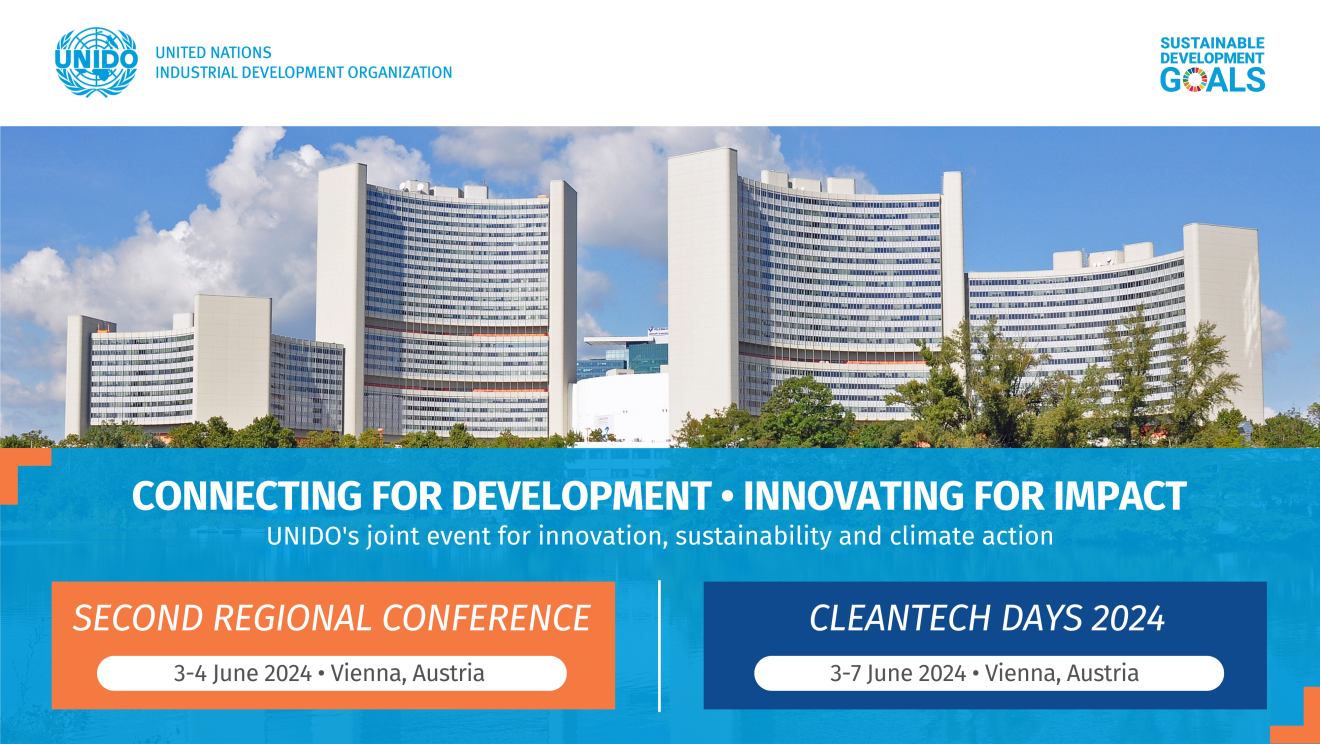
03 June 2024
Vienna, Austria
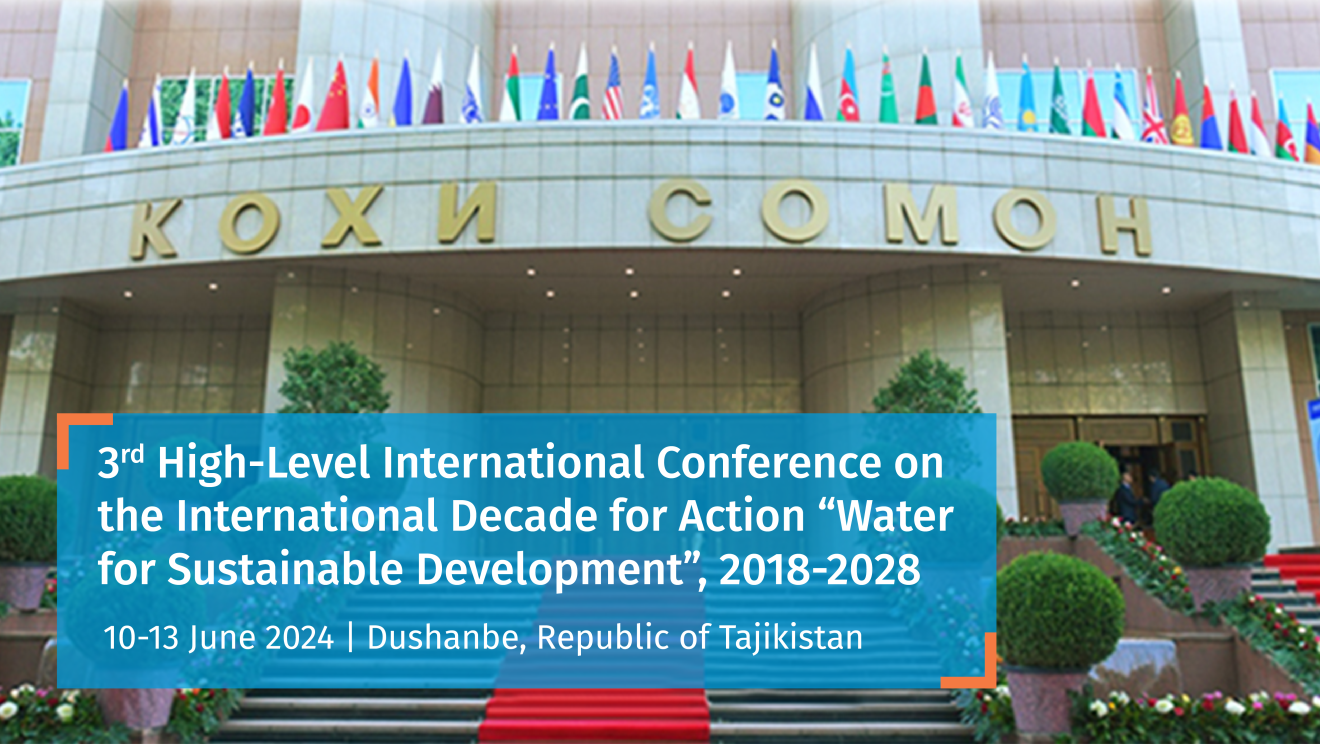
10 June 2024
Dushanbe, Republic of Tajikistan
3rd PAGE Green Industry Summer School 2024
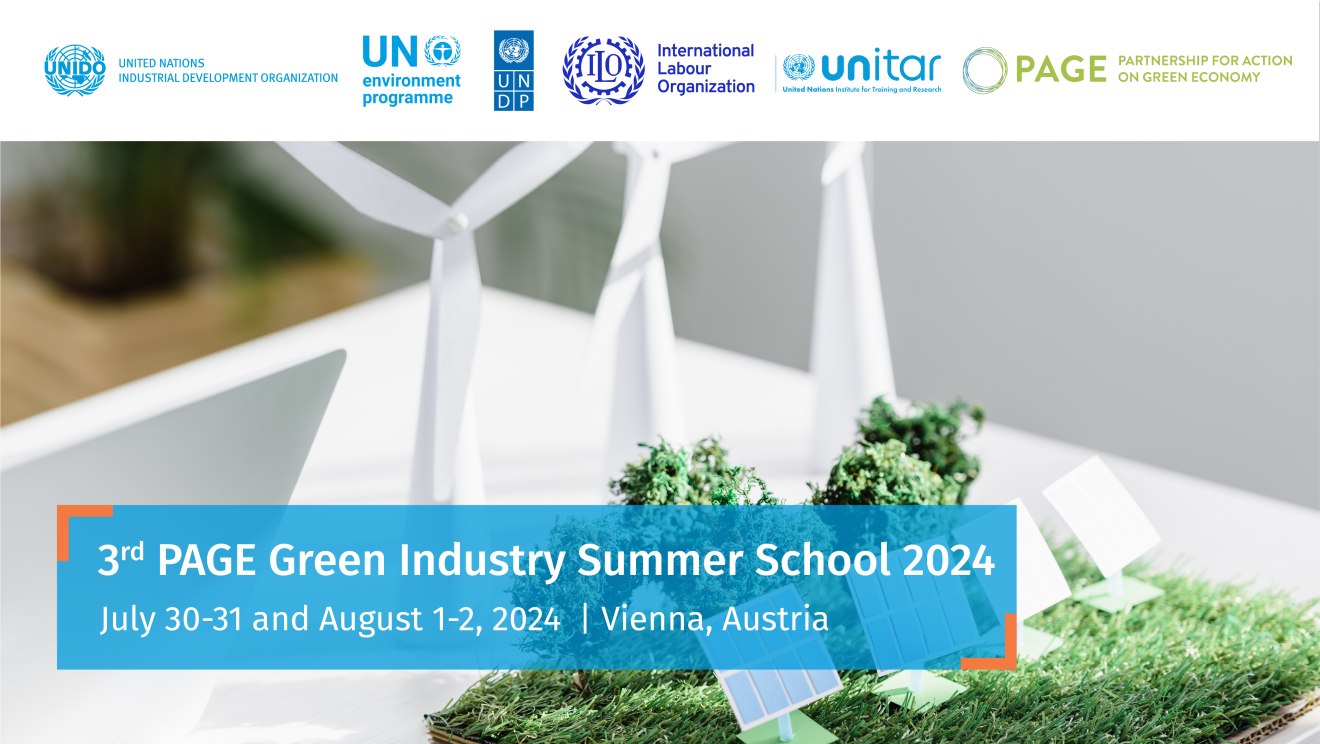
30 July 2024
Vienna International Centre (VIC), Vienna, Austria

We co-create human-centred innovations to help attain the SDGs
Social media
UNIDO Newsletter
Please provide your email address to subscribe to the UNIDO newsletter